
Unraveling the myths: Truths about luck in casinos
Understanding Luck in Casino Games
Luck is frequently depicted as a mystical force that sways the outcomes of casino games, leading players to believe that fortune plays a dominant role in their success. This perception often overshadows the intricate mechanics behind each game, which are based on mathematical principles and statistical probabilities. While luck does play a part in games of chance, such as slots and roulette, it is vital for players to understand that every game operates under specific rules and odds, including those found in the best online pokies , which govern the likelihood of winning or losing.
For example, slot machines rely on Random Number Generators (RNGs) to ensure that every spin is independent and random. This means that previous outcomes do not influence future spins, debunking the myth that a machine can be “due” for a payout after a series of losses. Recognizing this distinction can help players adopt a more rational approach to their gaming, focusing on the odds rather than relying solely on luck or superstition. Understanding game mechanics can enhance a player’s strategy and decision-making, leading to a more rewarding gambling experience.
Ultimately, while luck can influence immediate results in various games, it is important for players to grasp the odds associated with each option. Each game has a built-in house edge, representing the casino’s advantage over time. By understanding the mathematical probabilities behind each game, players can make informed decisions, enhancing their overall gaming experience and reducing the reliance on luck as the sole determinant of success.
Myths Surrounding Winning Strategies
The world of casinos is rife with myths regarding strategies that supposedly enhance a player’s chances of winning. A prevalent myth is the belief in “hot” and “cold” machines, particularly among slot players. Many gamblers hold the notion that if a machine has not paid out in a while, it is “due” for a win. However, this is a misconception; every spin on a slot machine is independent, meaning there is no memory of past outcomes. This misunderstanding can lead players to waste their money on the false hope of imminent luck.
Another common myth is the idea that certain players possess secret strategies that guarantee wins. While some strategies can improve decision-making in skill-based games like poker or blackjack, there are no foolproof methods to ensure victory in games of pure chance. Professional gamblers often emphasize the importance of discipline, bankroll management, and an understanding of game mechanics over reliance on mythical winning strategies. Players must be aware that there is no shortcut to success in games governed by chance.
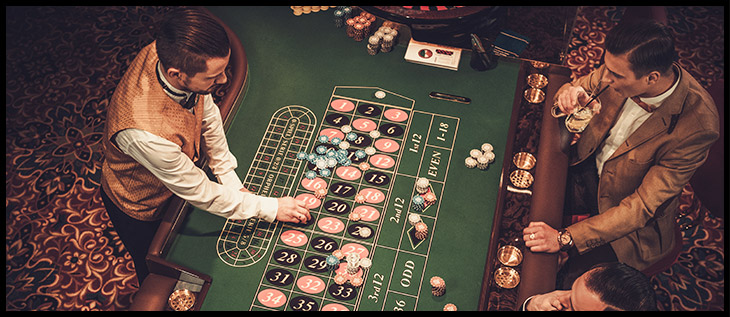
Managing expectations is crucial for any player hoping to succeed in gambling. While the thrill of winning can be exhilarating, it is essential to approach gambling with the understanding that losses are an inevitable part of the experience. Knowledge of game mechanics and probabilities can empower players to make more informed choices, allowing them to recognize when to play and when to walk away, instead of waiting for a stroke of luck to change their fortunes.
The Role of Psychology in Gambling
Psychology plays a significant role in gambling behavior and the perception of luck. Many players experience a rush of excitement during gameplay, often referred to as “the thrill of the chase.” This emotional response can cloud judgment and lead to overconfidence, where players believe they can overcome the odds. Understanding the psychological aspects of gambling is vital, as it helps players recognize when emotions might be influencing their decisions rather than logical reasoning.
Moreover, the concept of near-misses significantly contributes to the illusion of luck in gambling. When a player comes close to winning a jackpot on a slot machine, the excitement generated can encourage continued play, reinforcing the belief that a win is just around the corner. Casinos are well aware of this psychological effect and often design their games to capitalize on such responses, creating a cycle of gambling that can be difficult to escape. Acknowledging these psychological traps can help players maintain a balanced perspective during gameplay.
To mitigate the risks associated with impulsive decisions driven by emotions, players should set limits on their gambling time and expenditure. By recognizing the psychological components at play, individuals can cultivate a more responsible gaming experience, enjoying their time at casinos without falling prey to the allure of luck. Understanding these influences helps players make more rational choices, leading to a more satisfying gaming experience overall.
Cultural Beliefs and Their Impact on Gambling
Cultural beliefs about luck can significantly shape gambling behaviors across various societies. In some cultures, luck and superstition are highly prized, leading to unique rituals and practices designed to enhance winning chances. For instance, in certain Asian cultures, specific numbers are considered lucky and often influence betting strategies, showcasing deeply ingrained beliefs about fortune and fate. These cultural perspectives can dictate how individuals approach gambling, either through reliance on luck or strategic planning.

Conversely, in cultures that emphasize skill and strategy over luck, players may adopt a different mindset when engaging with casino games. This cultural differentiation can translate into varied gambling habits, with some individuals focusing more on their knowledge and skills rather than relying on sheer chance. By understanding these cultural nuances, casinos can gain insights into player behavior and tailor their offerings to meet diverse expectations and preferences.
Despite varying cultural beliefs, it is crucial to remember that the inherent rules of chance games remain constant. Regardless of cultural influences, the mechanics of gambling are grounded in probability and mathematics. Bridging the gap between cultural perspectives and the realities of gaming can empower players, enabling them to make informed choices that enhance their overall experience in casinos.
Conclusion: The Importance of Responsible Gaming
In conclusion, unraveling the myths surrounding luck in casinos is essential for fostering a responsible gaming environment. While gambling can be an enjoyable pastime, distinguishing between illusion and reality is vital to prevent players from falling victim to widespread misconceptions that could result in significant losses. By understanding the mathematical foundations of games and the psychological influences at play, players can navigate the gambling landscape more effectively and responsibly.
Practicing responsible gaming is crucial to ensuring a positive casino experience. Whether playing slot machines, table games, or engaging in any other form of gambling, setting budgets and adhering to them is key to enjoying the experience without exceeding personal limits. Knowing when to walk away is just as important as understanding the games themselves, ensuring that gambling remains a source of entertainment rather than a financial burden.
For those seeking additional resources and information on responsible gaming, various websites are dedicated to promoting healthy gambling habits. These platforms often provide valuable tools and support systems to help players maintain control over their gambling activities, ensuring that entertainment is always the primary focus. By understanding the truths about luck, players can engage in their favorite games with a more balanced and healthier mindset, enhancing their overall enjoyment and experience.